


The new European Regulation on unsold products highlights the role of biotechnology in driving the circular economy across the entire value chain
For the biotechnology sector, it represents both a challenge and an opportunity, as it requires improved information management and the adoption of circular practices that promote more sustainable products.
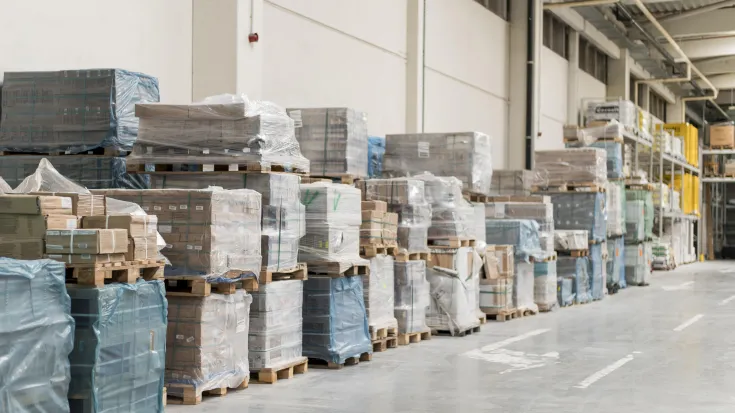
On 9 February, the European Commission adopted Implementing Regulation (EU) 2026/2, a measure that operationalises the obligations established under Regulation (EU) 2024/1781 on sustainable products. This marks a significant step towards more responsible production models, strengthening transparency and sustainability of products across the European Union (EU).
The new regulation sets clear obligations regarding the disclosure of information on unsold or discarded products, defining how companies must structure and report this data. It will initially apply to large companies and, from 2030 onwards, to medium-sized enterprises. They will be required to report the number and weight of unsold consumer products that are ultimately discarded, detail the reasons for disposal—such as defects, expiry dates or labelling changes—specify waste treatment methods, including recycling, recovery or disposal, and describe measures adopted to prevent the destruction of products in the future.
Although its impact has been particularly visible in sectors such as textiles and footwear—where the destruction of unsold products is already prohibited—the regulation applies to all sectors placing consumer products on the market, increasing transparency and accountability requirements regarding generated waste.
For the biotechnology sector, where product innovation and material traceability are essential, Regulation 2026/2 represents both a challenge and an opportunity. Companies will need to strengthen their information management systems and adopt more circular and responsible practices, aligning with European circular economy and sustainability objectives and ensuring that scientific innovation translates into more sustainable and environmentally responsible products.
Biotechnology: a strategic ally in the mandatory transition to a circular economy
At the Spanish Bioindustry Association (AseBio), we believe this new European framework confirms a structural trend: the transition towards circular economy models is no longer optional, but an operational, environmental and reputational requirement for industry. In this context, biotechnology is a strategic ally, helping companies reduce waste, revalorise materials and advance circularity.
This is highlighted in our report “Biotechnology Applied to the Green Transition: Solutions for a Sustainable Economy.” The report provides a detailed overview of how AseBio member companies, research centres, technology centres and foundations—66 biotech companies and 20 public and private entities—are developing concrete solutions to drive Spain’s green transition. Collectively, they are advancing nearly 600 solutions focused on identifying and adopting new production and consumption models that respect planetary balance, the core challenge of the green transition and fully aligned with the objectives of the new European regulation.
Industrial biotechnology plays a key role in the revalorisation of by-products and waste, enabling their use as raw materials for other industrial processes. Through the use of bacteria, microalgae and other industrial microorganisms, these materials can be transformed into biofertilisers, bionutrients or high-value compounds, promoting more efficient resource use.
Bioprocesses also enable the creation of new value-added products from waste streams—such as bioplastics, biofuels, bioactive compounds or fertilisers—that would otherwise be discarded. This approach supports a circular economy model and reduces environmental impact, while facilitating compliance with the Sustainable Products Regulation.
Furthermore, biotechnology offers alternatives to traditional chemical processes through cleaner techniques such as fermentation and biocatalysis. These methods allow the production of ingredients, enzymes, additives or materials under more energy-efficient conditions, with lower emissions and reduced waste generation, contributing to sector decarbonisation.
Biotechnological innovation also opens the door to developing new protein sources based on circular models, using agri-food waste and by-products to help ensure access to nutritious food in a context of increasing pressure on natural resources.
These capabilities not only reduce waste, but also enable the tracing, valorisation and reuse of material flows that previously ended up as waste, directly responding to European regulatory requirements. However, for these solutions to scale and reach the market, a regulatory environment that supports innovation is essential.
The Spanish Bioindustry Association highlights the persistence of regulatory barriers—particularly in waste and by-product legislation, novel foods regulation and environmental permitting—which limit the circular use of materials that could otherwise be transformed into new biotechnological solutions. In addition, companies, especially SMEs, require adequate financial instruments to scale bioprocesses and develop bioplants or biorefineries, which are crucial for delivering the green transition in industry.
Ultimately, if Europe wants fewer products to end up as waste, it must facilitate the deployment of biotechnological solutions across industry.
In light of the regulatory steps being taken in Brussels, the Spanish Bioindustry Association reaffirms its message: biotechnological solutions are strategic allies for industry to reduce waste, valorise resources and move towards a zero-waste model, while fostering a more sustainable, innovative and circular production system—consolidating biotechnology as a key driver of transformation in the European economy.