


#NewAseBioMember | “AseBio is a key player in the growth of biotechnology in Spain”
Meet Grupo AIA, our new member. We spoke with Guillermo Rodriguez Lázaro, Chief Scientific Director.
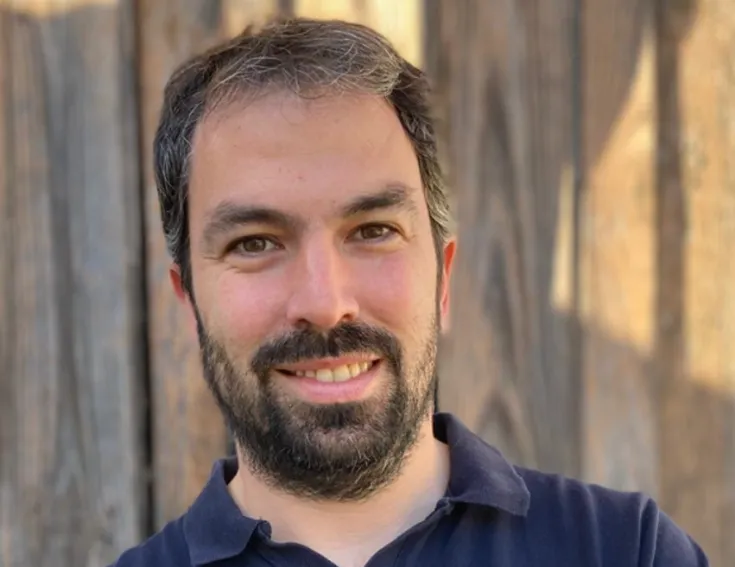
AseBio. What does your company's work bring to the table and what is its strength?
Guillermo Rodriguez Lázaro. At Grupo AIA, we have been developing innovative software solutions for over 30 years, based on advanced algorithms originating from fields such as Artificial Intelligence or basic sciences like physics and chemistry. We are pioneers in creating intelligent, tailored software products applied to a wide range of industries and business cases. In the biotech sector, we specialize in automating biological data pipelines and implementing AI platforms for molecular screening, biomarker detection, and predictions based on omics data, linking it to other diagnostic projects in the medical field.
I believe our strength lies in our ability to synergistically speak the language of biology and AI with an industrial mindset, which allows us to build impactful and scalable solutions that solve problems beyond the headlines and impressive results often published in academia but with little real-world applicability or usability.
AseBio. What is AseBio for you?
Guillermo Rodriguez Lázaro. From our perspective, AseBio is a key player in the growth of biotechnology in Spain, acting as a catalyst that promotes collaboration between public and private organizations. Through these alliances, it works to position innovation as a driving force for economic and social development, both nationally and internationally, contributing to a more robust biotech ecosystem. For us, AseBio represents an essential meeting point for various agents in Spain's biotechnology sector.
AseBio. When did you first hear about AseBio?
Guillermo Rodriguez Lázaro. I first heard about AseBio a few years ago when I began working on a project with a pharmaceutical company after many years dedicated to biophysics in academia. Since then, I’ve followed the rich community that has been built and the interesting events AseBio organizes, which sparked our interest in becoming part of and contributing to this ecosystem.
AseBio. What do you expect from being part of an association like AseBio?
Guillermo Rodriguez Lázaro. Our main motivation for joining AseBio is to integrate more deeply into the biotech ecosystem and actively contribute with our expertise in artificial intelligence applied to biology. We firmly believe—and are witnessing—that AI has enormous potential to transform the sector. We aim to collaborate with other key players, share knowledge, and explore new opportunities for innovation that drive significant advances in biotechnology.
We seek to create synergies with companies and organizations in the sector to develop joint solutions that tackle complex challenges and generate meaningful breakthroughs in the development of treatments, diagnostics, and new technologies in health and life sciences. We trust that AseBio will be a pivotal meeting point for this growth, facilitating strategic connections through its network. Furthermore, actively participating in its committees will allow us to contribute to proposals that drive the sector's development both nationally and internationally.
AseBio. What is the biggest challenge facing the biotech sector or your company?
Guillermo Rodriguez Lázaro. Our biggest challenge is staying at the forefront in a constantly evolving technological landscape, especially in the realm of artificial intelligence and molecular biology applied to the health and biotech sectors. This involves not only continuing to innovate and develop increasingly advanced solutions but also quickly adapting to new scientific discoveries and the ever-changing needs of the market. Additionally, we must integrate these technological advancements in ways that translate into tangible, positive impacts for our clients, helping them turn their challenges into growth opportunities.