


Zoonotic diseases highlight the need to strengthen prevention and the One Health approach to future health threats
- Around 60% of human infectious diseases originate in animals. Climate change and globalization are reinforcing the need to improve prevention.
- In this context, biotechnology must be recognized as a strategic sector, as greater preparedness and stronger collaboration enhance our ability to anticipate and respond to future public health emergencies.
- On World Zoonoses Day, we spoke with HIPRA, one of the European biotechnology companies most strongly committed to the One Health approach.
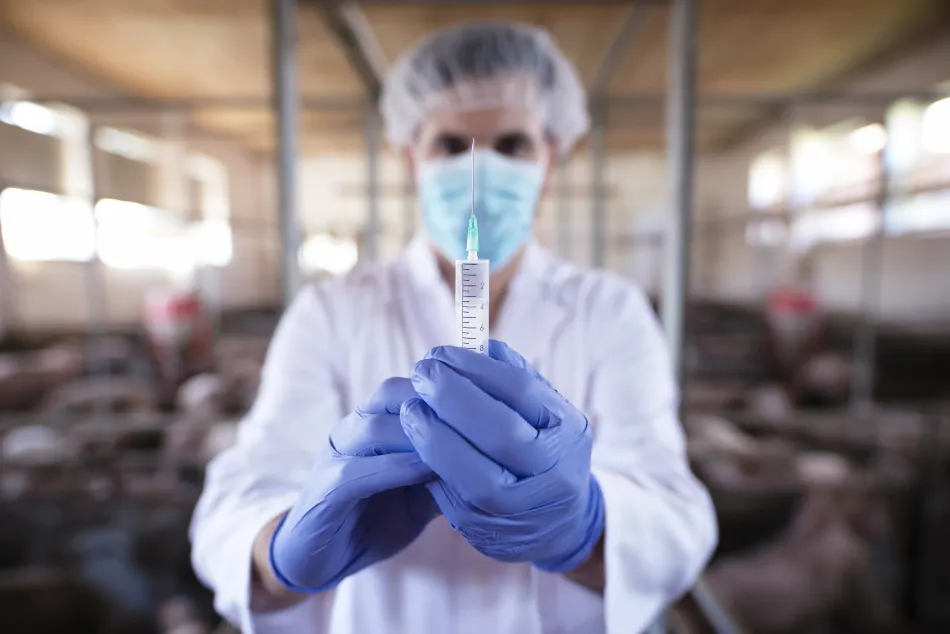
Around 60% of known human infectious diseases are of animal origin, and a large proportion of the emerging diseases identified in recent decades are zoonotic. Climate change, globalization, and the increasing interaction between people, animals, and the environment are driving the emergence and spread of these threats, reinforcing the need to advance a comprehensive prevention strategy.
To mark World Zoonoses Day, celebrated on 6 July, AseBio spoke with Marta Sitjà, R&D Director, Animal Health, and Laura Ferrer, R&D Director, Human Health, at HIPRA, an AseBio member company, to discuss the role of biotechnology and the One Health approach in preparing for future emerging diseases.
The experts explain that "climate change, the global movement of people and goods, and the increasingly close interaction between wildlife, domestic animals, and humans all create new opportunities for pathogens that were previously confined to specific regions to find new routes of transmission and spill over from animals to humans."
Against this backdrop, HIPRA places prevention at the core of its innovation strategy. "At HIPRA, One Health translates, on the one hand, into a clear prevention strategy based on vaccines, and on the other, into a strategic commitment to integrating animal health, human health, and environmental health. We are seeing an increasing number of animal-origin pathogens capable of affecting humans, and adopting a unified approach enables us to work towards global health."
The company emphasizes that biotechnology innovation is essential for anticipating these risks. They note that the COVID-19 pandemic marked a turning point in accelerating the development of innovative solutions and highlight their participation in a European consortium developing a vaccine against West Nile virus, a disease whose risk is increasing due to the expansion of its mosquito vector as a result of climate change. The four-year project is currently halfway through its development and is of critical importance, as there is currently no approved treatment or licensed vaccine for human use.
They also point out that the One Health approach has an important impact on food production. "Having preventive products against diseases and infections in food-producing animals contributes to a safer and more sustainable food supply for people. Preventing disease in animals ultimately contributes to better human health."
Vaccines, together with diagnostic tools, epidemiological surveillance, and new biotechnology platforms, constitute one of the main lines of defence against zoonotic diseases. As HIPRA explains, "Vaccines are essential because they allow action to be taken before disease spreads. This not only reduces the impact of disease but also decreases pathogen circulation in animals, lowering the risk of mutations and spillover into humans."
The experts also stress that preparedness for future health threats requires stronger cooperation among public authorities, the scientific community, and industry. "It is essential to strengthen integrated animal-human-environment surveillance by promoting data sharing between public authorities, the scientific community, and industry, while increasing investment in R&D focused on prevention and the early detection of emerging risks."
In this context, biotechnology must be recognized as a strategic sector that requires sustained investment, agile regulatory frameworks, and strong industrial capabilities to respond effectively to future public health emergencies. "The greater our level of preparedness and collaboration, the stronger our capacity to anticipate and respond," they conclude.
Ángel Luis Jiménez
Communication Director
662 172 126
ajimenez@asebio.com
The Spanish Bioindustry Association (AseBio) brings together 350 entities and represents the entire Spanish biotechnology sector. Its mission is to lead the country’s transformation by positioning science, innovation, and especially biotechnology as drivers of economic growth and social well-being. Its members include companies, associations, foundations, universities, and technological and research centers that carry out activities directly or indirectly related to biotechnology in Spain.