
Biotechnology and the Sustainable Development Goals
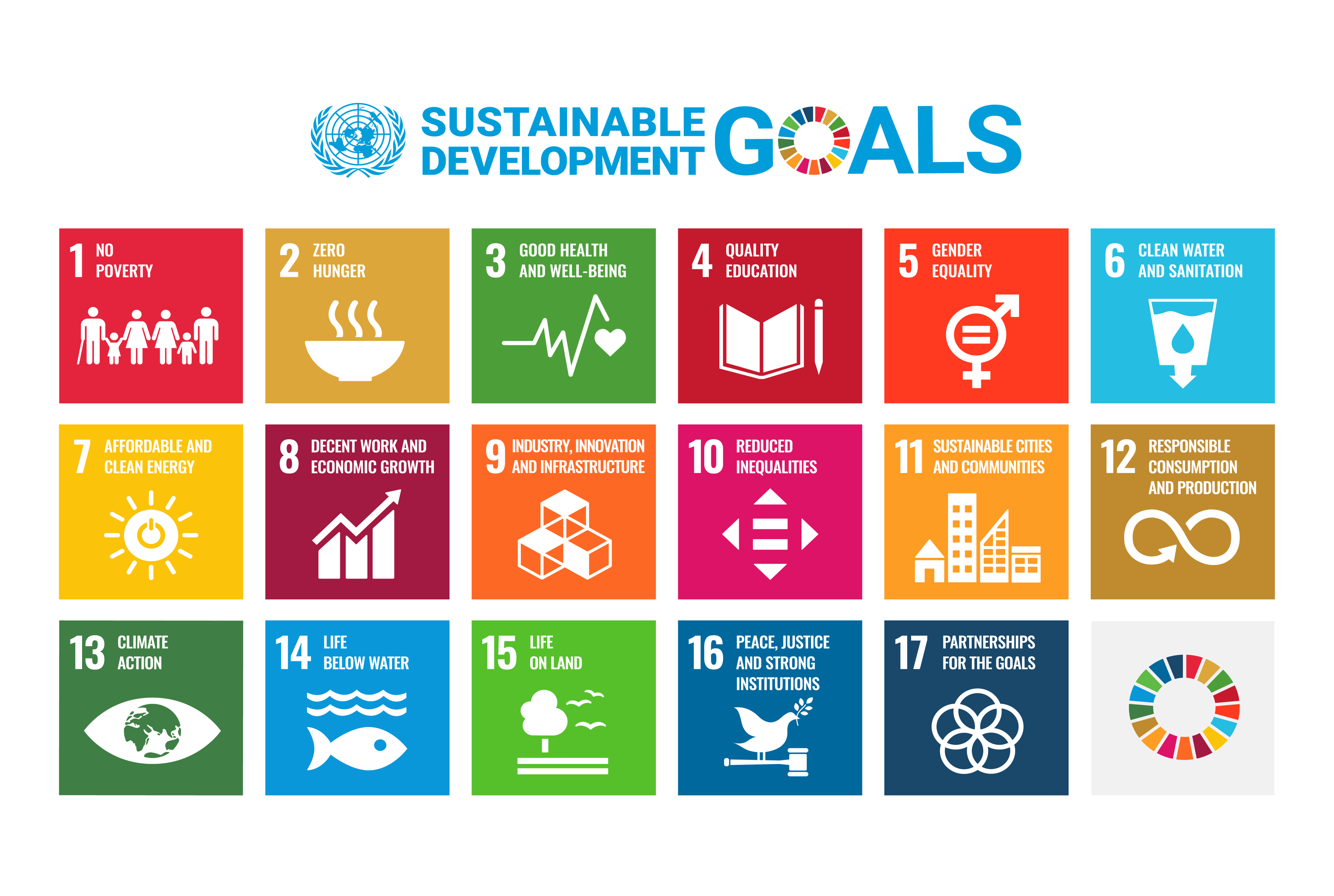
Biotechnology plays a crucial role in achieving the United Nations Sustainable Development Goals (SDGs) as part of the 2030 Agenda. Thanks to its innovative and transformative capacity, the biotechnology sector has a direct impact on 13 of the 17 SDGs:
SDG 2: Zero Hunger
- Improves crop efficiency and quality through techniques such as genetic engineering.
- Ensures safer and healthier food by enhancing crops, developing new protein sources, and producing functional foods with higher nutritional value.
- Uses biotechnological techniques to detect toxins and contaminants in food, improving food safety.
SDG 3: Good Health and Well-being
- Enables the development of advanced biotechnological medicines, such as gene and cell therapies, which can treat complex diseases more specifically and effectively.
- Develops vaccines to combat infectious diseases.
- Enhances disease diagnosis through advancements in genomic sequencing, molecular biology, and imaging technologies.
- Plays a key role in studying antibiotic resistance mechanisms, designing new diagnostic methods, and discovering new antimicrobial therapies.
SDG 5: Gender Equality
- The biotechnology sector is a leader in gender equality, with women playing a significant role not only in research but also in leading companies and research initiatives.
- In Spain, nearly 60% of employees in the sector and 54% of researchers are women.
SDG 6: Clean Water and Sanitation
- Ensures sustainable water availability and management through the use of microorganisms, microalgae, or cyanobacteria for water purification and the removal of chemical contaminants.
- Facilitates the development of biosensors and biological detection technologies to monitor water quality in real-time.
SDG 7 & SDG 11: Affordable and Clean Energy / Sustainable Cities and Communities
- Improves efficiency in industrial processes related to energy, such as biofuel production and waste-to-energy transformation.
- Has enabled the development of biofuels, such as biodiesel and bioethanol, produced from renewable raw materials like agricultural crops, plant waste, and microorganisms.
- Uses biotechnological processes such as anaerobic digestion to produce biogas from organic waste.
- Contributes to the efficient use of biomass as a renewable energy source.
SDG 8 & SDG 9: Decent Work and Economic Growth / Industry, Innovation, and Infrastructure
- The biotechnology sector is highly innovative and serves as a driver of economic growth and sustainable development.
- Commitment to R&D has allowed biotechnology companies to contribute 1.5% of Spain’s GDP and create 162,845 jobs in the last year.
SDG 12: Responsible Consumption and Production
- Biotechnological applications promote responsible consumption and production.
- Bio-based products are reused, recycled, converted into energy, or composted, contributing to a circular economy.
SDG 13: Climate Action
- Facilitates the production of materials and products derived from renewable and biodegradable sources, such as bioplastics and biomaterials.
- Helps develop more resilient and efficient crops that can better adapt to changing climate conditions.
- Develops specialized microorganisms and enzymes that can break down persistent environmental pollutants, such as hydrocarbons and heavy metals.
- Provides advanced tools for climate monitoring and prediction through biological information systems and data-driven models.
- Plays a crucial role in biofuel production, enabling efficient and sustainable production of renewable fuels from various raw materials.
SDG 15: Life on Land
- Preserves terrestrial life and prevents biodiversity loss by improving land use efficiency and reducing deforestation.
- Restores degraded soils through the introduction of beneficial microorganisms.
- Offers bioremediation methods to break down organic and inorganic contaminants in the soil.
- Contributes to biodiversity conservation and restoration through in vitro propagation of endangered species, reintroduction programs, and genetic enhancement of vulnerable populations.
SDG 17: Partnerships for the Goals
- Achieving the SDGs requires complex and global solutions, making partnerships with other stakeholders essential.
- Public-private collaboration and an international focus have allowed biotechnology to generate a significant social, environmental, and economic impact for decades.