


Drug Discovery, Early Diagnosis, and New Treatments: This is how biotechnology has changed the fight against cancer
On World Cancer Day, we take a look at the role that biotechnology has played in recent years in crucial areas related to cancer.
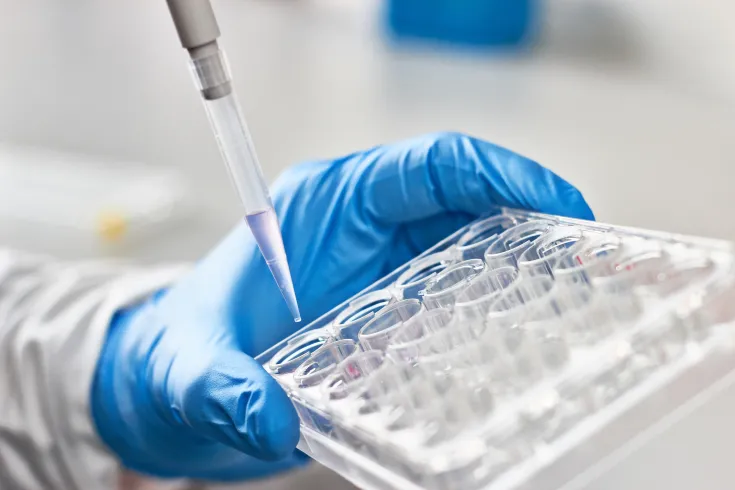
Cancer emerges as the leading cause of death worldwide. According to data from the International Agency for Research on Cancer, approximately 18.1 million new cases were diagnosed in 2020. Projections indicate that this figure will increase over the next two decades, surpassing 28 million cases by the year 2040.
Currently, 30-50% of cancer cases could be prevented by reducing risk factors and implementing prevention strategies based on early detection, ensuring proper care, and treatments.
Cancer is a complex disease posing significant challenges, for which biotechnology provides answers through innovative tools and approaches. Biotechnology has revolutionized the fight against cancer through immunotherapy, gene therapy, the study of mRNA and its potential application in vaccines, nanotechnology, liquid biopsy, or the development of specific biomarkers, such as CAR-T cells, among others.
AseBio's pipeline research, comprising 350 lines of investigation from national and multinational companies with subsidiaries in Spain, dedicates 63% to finding a treatment for cancer.
Furthermore, 28% of disease diagnostic products developed by our companies are directed towards cancer.
Biotechnological Innovation in Early Cancer Diagnosis
The World Health Organization (WHO) emphasizes the need to advance in early cancer detection through early detection and screenings. Amadix is a biomedicine company specialized in the early detection of cancer through liquid biopsy. "Liquid biopsy in blood and other fluids breaks conventional barriers by providing a less invasive option to aid in the diagnosis and management of cancer patients, seeking a better approach than conventional alternatives," explains Lourdes Planelles, scientific director of Amadix. Their work is based on the identification of biomarkers in the blood that are specific signals of the presence of cancer and even premalignant lesions.
"We use technology that is currently available in most hospitals and clinical laboratories. And most importantly, we can identify early signs of cancer, allowing for a better prognosis and sometimes anticipating the disease," adds Planelles. The biotechnology company has developed PreveCol, a blood test for colorectal cancer detection. Currently, the company is working on solutions for other types of cancer where there is an urgent need in the field of early diagnosis, such as lung cancer (DiagnoLung) and pancreatic cancer (PancreaDix).
"The European Commission has already stated that it is necessary to update screening programs, as they have remained the same for 20 years. Additionally, in the case of colorectal cancer, it is important to note that the incidence is increasing in the population under 50 years old," explains the scientific director of Amadix.
Biotechnology Drives Drug Discovery in Oncology
Under the premise that the Earth's surface has provided us with excellent medicines, such as penicillin and other antibiotics, and considering that 75% of the sea is yet to be explored with much greater biodiversity than terrestrial ecosystems, Pharmamar decided to explore marine environments in search of new therapeutic compounds that could address unmet medical needs.
"If we find activity, we isolate the compound and conduct chemical syntheses for potential medical applications. This approach has allowed us to harness the richness of the ocean in the search for medical innovations," explain representatives from the company.
Since its establishment in 1986, they have collected over 400,000 marine macro and microorganisms (the world's most extensive collection) and invested over one billion euros in R&D. In the specific field of oncology, their primary focus, the biotechnology company allocated 81% of its R&D investment resources in 2022 (68.1 million euros).
"This approach of dedicating the majority of resources to research has already borne fruit, as we have a success rate of 37%. Out of 8 compounds in trials, we have obtained approvals for 3, compared to the pharmaceutical sector's 10%," argue representatives from Pharmamar.
The Role of Biotechnology in the Development of New Therapeutic Options Against Cancer
Over the past few years, oncological treatments have exponentially evolved towards personalized, molecular, and precision medicine. As explained by Oryzon, a leading European biopharmaceutical company specializing in the development of epigenetics-based drugs with a focus on personalized medicine in areas such as cancer, "highly toxic conventional chemotherapy is gradually being replaced by treatments targeting specific crucial pathways in the spread of a particular tumor."
In this regard, they emphasize that understanding the immune response to cancer "has led to the development of monoclonal antibodies such as ICIs, which are successfully used in multiple tumors. Antibodies are also used to specifically target drugs to the tumor, preserving healthy tissue (ADCs). The epigenetics of LSD1 and other targets serve to deactivate tumor pathways, causing the differentiation of cancer cells or making them visible to the immune system."
Furthermore, genetic editing and cellular therapy using CAR-T technology are enabling the treatment of previously untreatable tumors. "Classic radiotherapy has also evolved with technological advancements, integrating with imaging and allowing much more precise treatments."
Oryzon has an inhibitor of the epigenetic target LSD1, iadademstat, which has demonstrated efficacy in its ALICE study in acute myeloid leukemia (AML) patients, even in groups that respond poorly to current therapies, such as patients with mutations in p53, K-Ras, or those with myelomonocytic AML.
"Oryzon continues to explore combinations in AML, and in the U.S., we have the FRIDA study underway in R/Rflt3+ patients in combination with gilteritinib. We will report on the progress of this trial throughout the year, but if we achieve similar response levels to those obtained in ALICE, it could pave the way for accelerated approval," explain representatives from the company, which is also exploring in the field of solid tumors.
"Thanks to the CRADA agreement, Memorial Sloan Kettering in New York will soon initiate a trial in frontline patients with small cell lung cancer (SCLC) with extensive tumor in combination with ICIs monoclonal antibodies," they share from Oryzon.
Biotechnology and the Future of the Fight Against Cancer: The Study of Genetics
Genetic studies play a crucial role in the prevention, diagnosis, treatment, and monitoring of cancer, enabling a more precise and personalized approach for each patient. Genetic studies make it possible to identify genetic predisposition, customize treatments, make more accurate prognoses, and identify genetic and molecular biomarkers that can serve as therapeutic targets or indicators of treatment response.
One scenario in which the length of telomeres (special DNA sequences located at the ends of chromosomes with repetitive sequences recognized as their ends, preventing chromosome breakage or damage) has been associated with an increased risk of certain types of cancer.
Life Length is the only company in the world capable of measuring critically short telomeres. "We have developed an imaging-based technology that allows us to see each telomere in every cell. This technology is called HT-Q-FISH, or high-capacity quantitative fluorescent in situ hybridization. We use a fluorescent probe complementary to the repetitive DNA sequence that makes up the telomeres, which we visualize and quantify with a powerful confocal microscope," they explain.
"A clear example of the contribution of telomeric information in the oncological field is our product ProsTAV®. The company has conducted extensive research in the oncology field with European funding, focusing on prostate cancer, lung cancer, and leukemia. The results obtained in the context of prostate cancer have allowed the development of the ProsTAV® medical device as a diagnostic tool for this type of cancer," state representatives from Life Length.