


European Climate Pact shows 100 students how science is protecting the planet
AseBio and the National Museum of Natural Sciences are collaborating again to bring biotechnology research and climate change solutions to the people, and specifically the new generation. The event featured participation from the European Commission.
AseBio, the Spanish coordinator for the European Climate Pact, and the National Museum of Natural Sciences (MNCN-CSIC) have once again joined forces in an initiative to showcase the specific ways science is working to care for the planet. In March, we celebrated World Wildlife Day, International Day of Forests and World Water Day. So, participants got the chance to walk through different stations, where each expert showcased how their work helps protect each of those essential components of the Earth. “At the museum, we strive to raise awareness of the importance of preserving biodiversity and how it has a direct impact on the effects of climate change,” explained MNCN-CSIC General Director Rafael Zardoya.
This interactive event, for secondary students, brought together over 100 people with the main aim of raising awareness of biodiversity and the challenge facing us all as a society: climate change. It also sought to show how science is working every day to find specific solutions to that challenge, with specific examples of measures politicians and citizens are implementing.
“The goal of the European Green Deal is to change how we live, travel, produce clothing, use power, etc. to reduce the impact of human activities on the environment and slow climate change. To achieve this goal, the EU is encouraging people to cycle and use rail transport, recycle packaging and clothing, and repair household appliances,” explained Maciej Berestecki, press and political officer in the European Commission Representation in Spain and head of the European Green Deal.
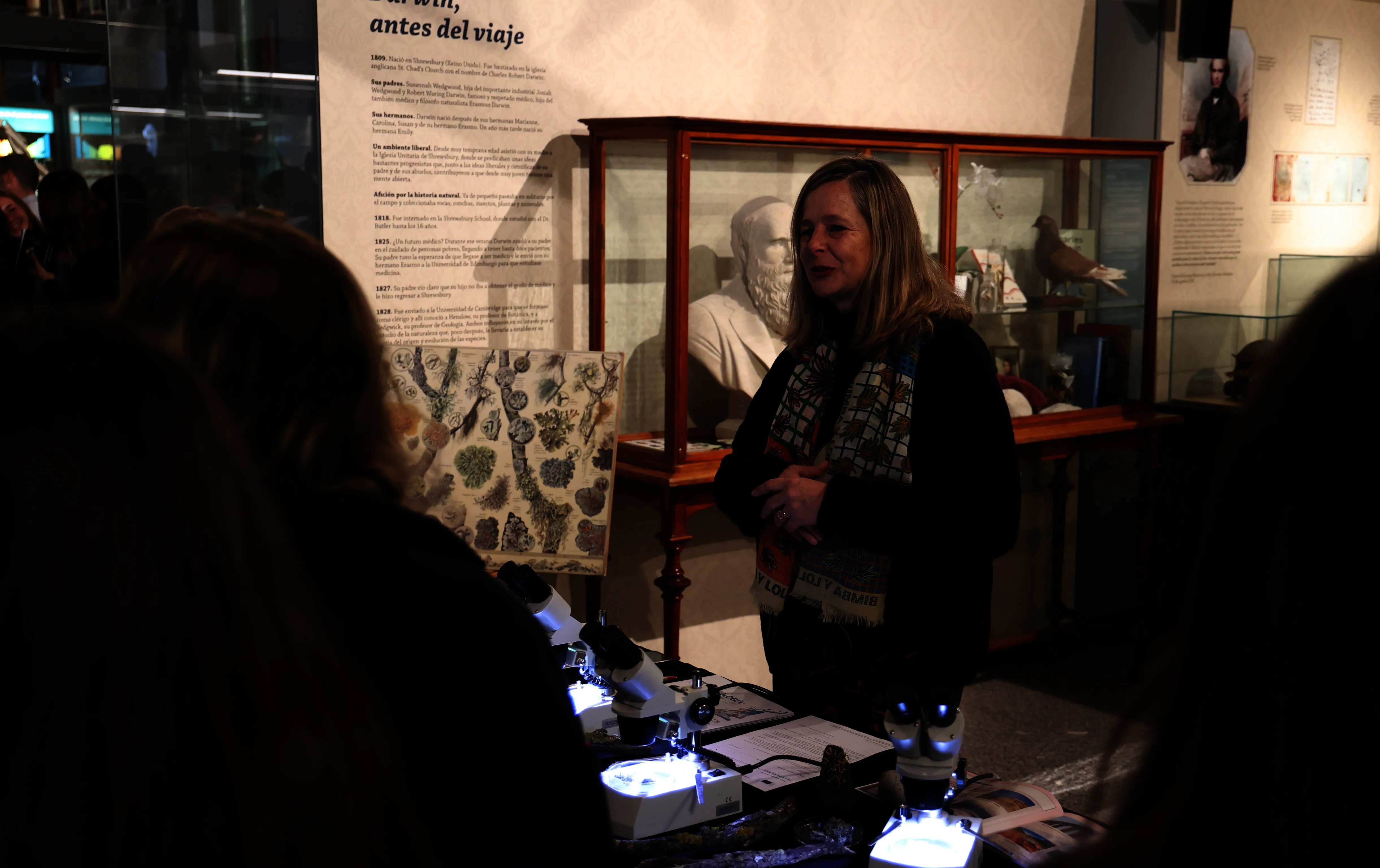
A dynamic walk through science solutions
The concept was based on creating a walk through the “forest of science”, with seven researchers and experts sharing their points of view and explaining their work. First, from the Centre for Plant Biotechnology and Genomics (CBGP), Isabel Allona and Daniel Conde explained how they are doing research to protect trees, which are considered the “Earth’s lungs”. The second stop, on protecting wildlife, featured Iñigo Martínez and Goyo Sánchez, who work with amphibians, and Asunción de los Ríos, an expert in microorganisms in extreme conditions, all researchers at MNCN-CSIC. Afterwards, the students moved into the section on water, which is essential to all living beings, from forests to any organism living on Earth. Miguel Martínez-Cava and Olaya Fernández, from the company Pharmamar, explained the importance of each organism living in the oceans and, due to the domino effect, the urgent need to protect them.
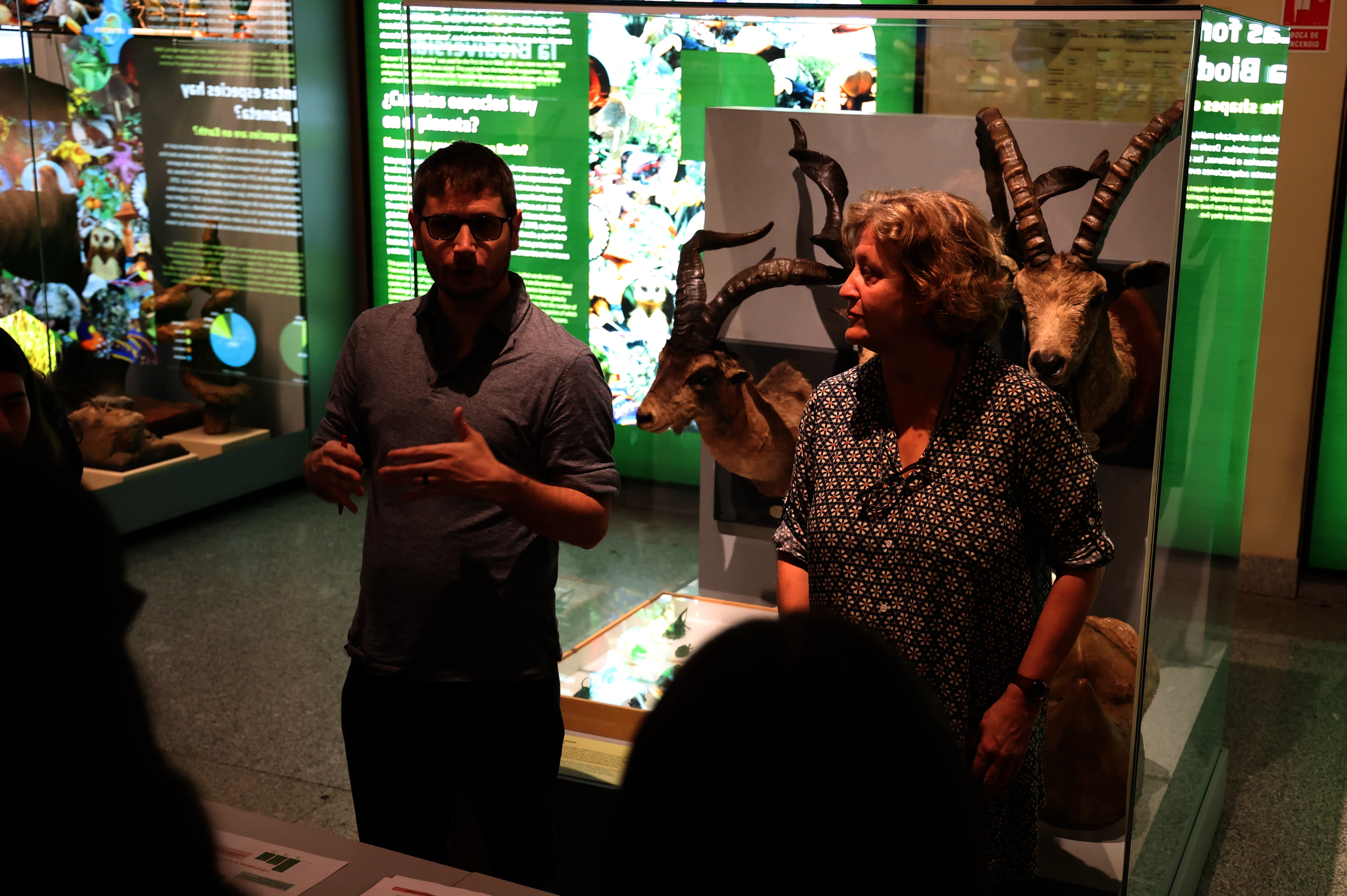
The “walk” finished off with an activity that allowed the young people to share and debate on things they can do in their daily lives to improve our relationship with the environment.

“We believe it is essential to bring the solutions from science, and specifically biotechnology, to the new generation, which most surely includes the scientists and biotechnologists of tomorrow. Today we got the chance to show them some examples from the 160 biotech firms working on the green transition. We want everyone to know that our industry does research and develops specific solutions to address the Sustainable Development Goals, one of which is fighting climate change,” concluded AseBio CEO Ion Arocena.
What is the Pact
The European Climate Pact is an initiative of the European Commission that aims to be a living space where people, communities and organisations from all over Europe can share information, debate and act on the climate crisis.
In the first quarter of 2023, in countries all over Europe, including Spain, the Pact has held events to teach people about climate change, raising awareness and encouraging them to act. This was the closing event for the association, as it will no longer be coordinating the Pact from April.