


#NewAseBioMember | “AseBio is a key space for sharing experiences, generating synergies, and learning from start-ups”
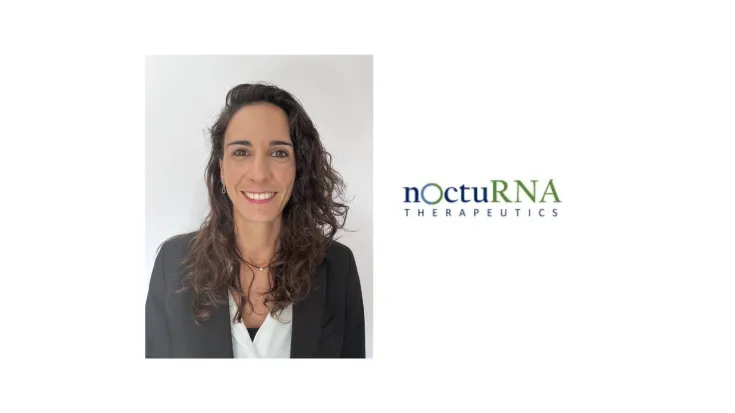
Meet our new member NoctuRNA. We spoke with a Miriam Corredor , CEO.
AseBio. What does your company's work bring to the table and what is its strength?
Miriam Corredor. Therapeutics is developing an innovative circular RNA (circRNA) based platform to tackle currently incurable diseases. Our technology focuses on binding to and disrupting RNA secondary structures that are key for the development of various pathologies, including genetic disorders like Myotonic Dystrophy Type 1 (DM1), ALS, and Huntington’s disease, as well as infectious diseases.
Our greatest strength lies in our unique and versatile platform, which enables us to design highly specific and effective circRNAs against multiple diseases. Moreover, we have optimized and patented a new circRNA manufacturing method that can be scalable and GMP-compliant. Additionally, noctuRNA circRNAs efficacy has been validated in several diseases in in vitro and in vivo models.
NoctuRNA's circRNAs represent an innovative therapeutic alternative for patients who currently do not have curative treatments and can only access palliative options.
AseBio. What is AseBio for you?
Miriam Corredor. For us, AseBio is the association that brings together the biotechnology sector at the national level, creating an ecosystem where we can find companies across the entire value chain, from suppliers and potential collaborators to investors and end customers. It is a key space for sharing experiences, generating synergies, and learning from start-ups like ours that have advanced along the way and can offer valuable lessons.
AseBio. What does your company's work bring to the table and what is its strength?
Miriam Corredor. Therapeutics is developing an innovative circular RNA (circRNA) based platform to tackle currently incurable diseases. Our technology focuses on binding to and disrupting RNA secondary structures that are key for the development of various pathologies, including genetic disorders like Myotonic Dystrophy Type 1 (DM1), ALS, and Huntington’s disease, as well as infectious diseases.
Our greatest strength lies in our unique and versatile platform, which enables us to design highly specific and effective circRNAs against multiple diseases. Moreover, we have optimized and patented a new circRNA manufacturing method that can be scalable and GMP-compliant. Additionally, noctuRNA circRNAs efficacy has been validated in several diseases in in vitro and in vivo models.
NoctuRNA's circRNAs represent an innovative therapeutic alternative for patients who currently do not have curative treatments and can only access palliative options.
AseBio. What is AseBio for you?
Miriam Corredor. For us, AseBio is the association that brings together the biotechnology sector at the national level, creating an ecosystem where we can find companies across the entire value chain, from suppliers and potential collaborators to investors and end customers. It is a key space for sharing experiences, generating synergies, and learning from start-ups like ours that have advanced along the way and can offer valuable lessons.
AseBio. When did you first hear about AseBio?
Miriam Corredor. I couldn’t say exactly when, but I have known AseBio since my previous job, so for several years now, I’ve recognized it as the leading cluster in the biotechnology sector in Spain. I have attended multiple events organized by AseBio, and last year, we also participated in the SILO Acelera Bio program, developed by SILO in collaboration with AseBio.
AseBio. What do you expect from being part of an association like AseBio?
Miriam Corredor. At NoctuRNA, we are committed to developing innovative therapies based on circRNAs for neurodegenerative and infectious diseases. Being part of AseBio will allow us to connect with key players in the biotechnology ecosystem, foster strategic collaborations, and access resources that will drive the innovation of our technology.
We are particularly interested in sharing experiences with companies that, like ours, are facing the challenges of developing advanced therapies, as well as interacting with pharmaceutical companies. The working group structure seems like an excellent opportunity for this, and we also value the possibility of participating in joint fairs and events.
AseBio. What is the biggest challenge facing the biotech sector or your company?
Miriam Corredor. The challenges for a biotech company like ours are diverse. First, the funding required to advance the pipeline is extremely high, and the competition for investment is very fierce. Second, since circRNAs are a completely new technology, obtaining approval from regulatory agencies will also be a challenge. In this regard, being part of a cluster with other players working on advanced therapies could be very beneficial for us.
On the other hand, talent is crucial for advancing a biotech project. Maintaining a high-level scientific team is a challenge, as the conditions a small biotech can offer are not comparable to those of larger companies. At NoctuRNA, we are very pleased and proud of the team we have formed, but it is something we must always keep in mind to avoid setbacks.