Report | Clinical trials, impacting people’s lives
To celebrate International Clinical Trials Day, we want to highlight the importance of research and how relevant it is in Spain
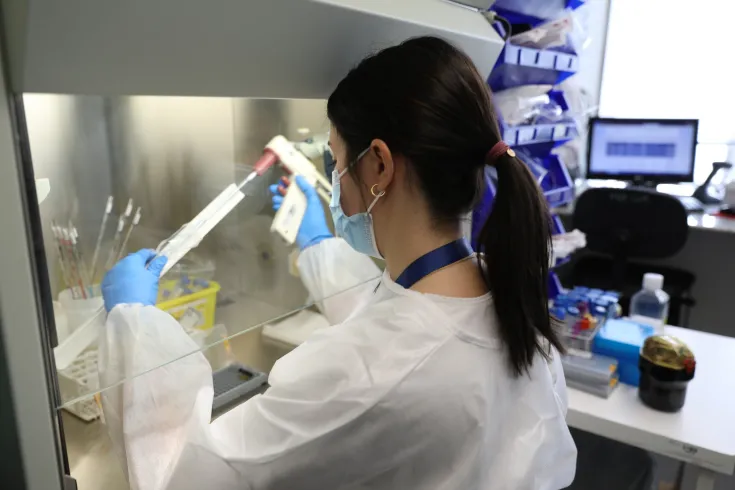
When Dr Xavier Cañas Perea talks about the impact of clinical research on society, his eyes light up. The director of Promotion and Development of Research at Vall d'Hebron Research Institute (VHIR) shares the example of a boy who couldn’t move without a walking aid due to his Duchenne muscular dystrophy and who was treated at the hospital thanks to gene therapy with an experimental drug. "He can now climb stairs without even holding onto the railing. How would you rate that improvement? Our work is priceless and full of meaning and value," he adds.
A win-win for everyone that is not without challenges
"Clinical trials are our best strategy for making novel therapeutic approaches and new treatment opportunities available to patients. In 2021, around 3,000 patients at HUVH (Vall d’Hebron University Hospital) benefited from new treatments framed in clinical trials," he explains. In his view, for professionals, clinical trials are the best way to grow and evolve, for institutions, they are a way to attract talent and for pharmaceutical companies, they are the best way to develop drugs rigorously and quickly. "Our professionals want to be where frontier medicine is made. It is an unparalleled way to offer competitive and cutting-edge healthcare and optimise resources," he continues. As the expert says, it’s a win-win for everyone. It means a way to create a new economic model based on knowledge generation.
Director of the Medical Department for Roche Farma Dr Beatriz Pérez’s speech goes along the same lines: "Clinical trials allow us, working alongside hospitals and healthcare professionals, to know the safety and efficacy of innovative drugs in the research phase.” Roche spearheads more than 300 clinical trials involving almost 15,000 patients, about 1,200 professionals and 180 hospitals each year in Spain. "Clinical trials are not only crucial for developing new medicines, but also allow patients early access to innovative therapies and reinforce the quality of the healthcare system and research fabric in the country," says the expert.
With more than 6,500 active clinical trials, Spain ranks second in the world in terms of research, just after the United States, which has more than 44,000, according to data from the National Institute of Health (Library of Medicine). It is also important to know that it takes up to 10 or 15 years to bring a drug to market and this is not always achieved. In short, it is difficult to turn science into industry.
What can we do? What should we change? Cañas insists that we should convince ourselves that here too we can go to the end of a development and keep feeding the system thanks to mixed investments with public-private partnerships. "We must understand that the best way to generate knowledge that ends up reaching the market is to invest from the beginning, from the conception," he advises.
Accompaniment right from the start
In Dr Pérez’s view, the high level of our healthcare professionals, the quality of the healthcare system, the sensitivity of healthcare institutions and authorities to clinical research and patients’ commitment make Spain one of the best countries in Europe to invest in biomedical R&D.
Using this potential that the Roche director mentioned, we need capital investment institutions to dare to assume a type of risky investment, but not for that reason less profitable, on the contrary. "They must understand that the development steps and associated profitability can be exponential...", asserts Cañas. At the VHIR, they develop mechanisms to attract capital to get their start-ups and spin-offs to secure rounds of funding from the United States to Tel Aviv.
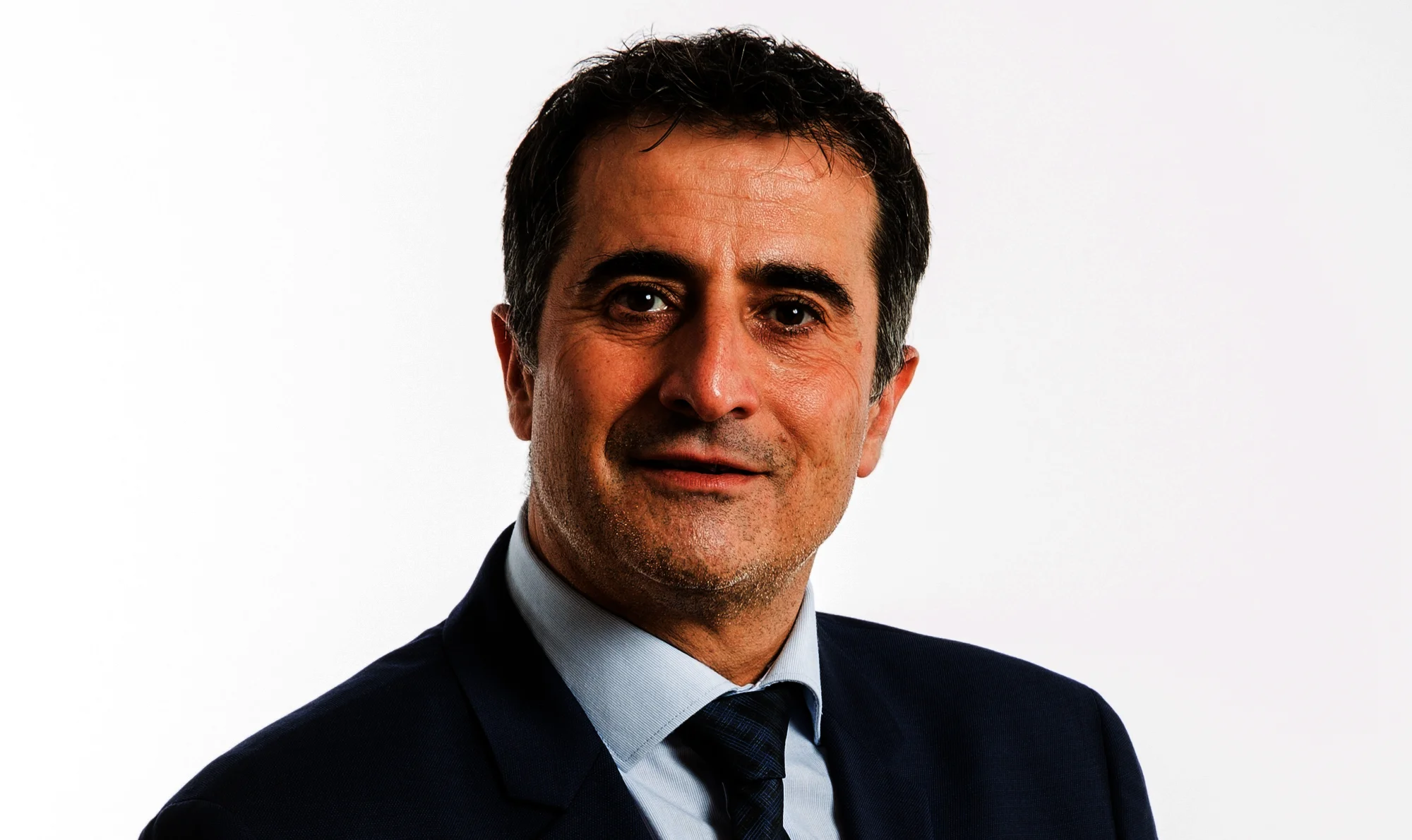
The keys to this are, first, having a good idea and talent behind it, and second, knowing how to build a story to communicate and then, having a credible business plan, as the expert explains. Research professionals understand these rules and spend more time communicating and marketing their ideas. There comes a time when research needs a CEO, meaning, someone who is dedicated only to the business development of the idea. "We are looking for those profiles, either research professionals who can become entrepreneurial figures, or CEOs who can take this project as their own and scale it." Laia Arnal, Cañas’ colleague and director of Business Development at VHIR, works to identify these talents in the form of idea generation or those who can play the two key roles: science and business professionals.
For this monitoring from the inception of the project, the work also must be done outwardly. VHIR contacts large pharmaceutical companies, CROs, biotechnology firms and other organisations, and detects new pipelines to find opportunities for collaboration from the conception of the project so that they can give their opinion, support and participate in the project. "We need them to tell us whether they believe in the idea, whether they will support it and whether they would buy it," she says.
Less accommodating, more consolidated
If he could make a wish, the expert would like us to stop focusing only on the final result, to do more it within the work model we have to reach these results and make it is as rigorous as possible. "This model must be powerful, shared, consolidated and versatile... that way we can get more centres to participate, more investment, more patients and more professionals to join us," he concludes. "This is a win-win for everyone, as a society...," he repeats. "Because we have all been, are or will be patients," he concludes.
It should not be forgotten that almost 70% of the drugs on the market are biotechnological. According to the pipeline of our biomedical partners, national companies are researching 107 molecules in 118 lines of research. In addition, eight international companies with subsidiaries in Spain are researching 174 molecules in 349 lines of research. Find out about our complete pipeline and our partners’ research at this link.