


A 20% increase in survival through early diagnosis: biotechnology accelerates change in the fight against the deadliest tumour
- Low-dose CT screening can significantly reduce mortality and increase patient survival by around 20%, according to international scientific evidence
- Biotechnology is revolutionising lung cancer diagnosis and treatment through technologies such as next-generation sequencing, liquid biopsy, spatial transcriptomics and single-cell analysis.
- Spain continues to make progress in translational research thanks to groups like CIBERONC, although major challenges remain, including therapeutic resistance, tumour heterogeneity and the absence of a population-wide screening programme.
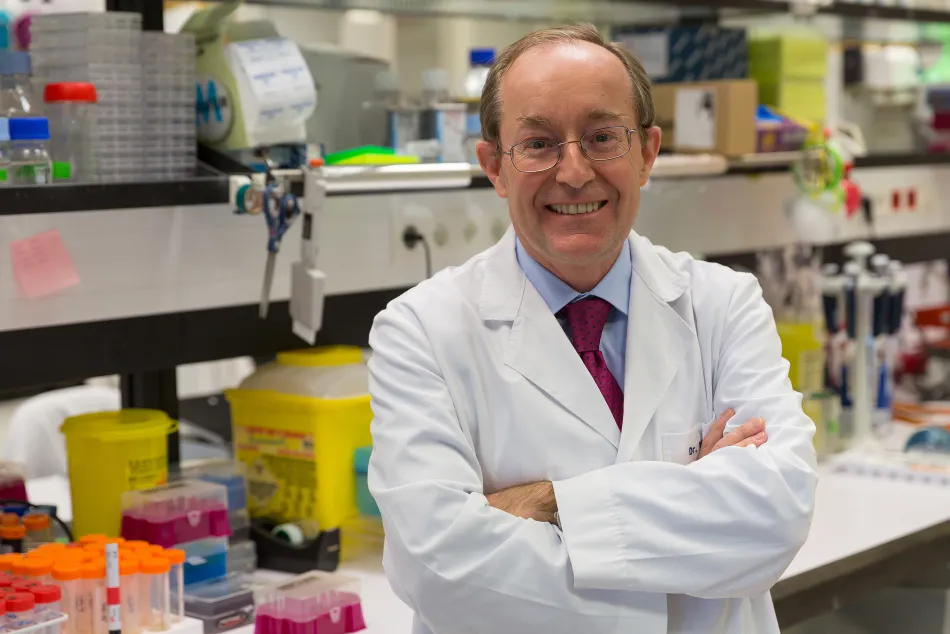
Lung cancer remains the leading cause of cancer-related death worldwide and one of the greatest public health challenges in Spain. With nearly 34,500 new cases expected in 2025, incidence continues to rise, especially among women. However, advances in early diagnosis, biotechnology and translational research are opening a new chapter in the fight against this disease.
The magnitude of the challenge
According to Dr. Luis Montuenga, coordinator of the Respiratory Tract Tumours Programme at the CIBER cancer area (CIBERONC), the situation is critical: “In 2023, 22,822 people died from respiratory tract tumours, 6,245 of them women. These figures are comparable to breast cancer mortality. We are facing an enormous public health challenge.”
The landmark NLST and NELSON trials demonstrated that low-dose CT screening significantly reduces mortality in high-risk individuals. However, Spain has yet to implement a population-based screening programme, despite strong scientific consensus urging its rapid adoption..
Understanding the disease: research to diagnose earlier and treat better
CIBERONC has become an international leader in lung cancer translational research. Its work focuses on understanding tumour initiation and evolution, immune evasion mechanisms, metastasis and the reasons why many patients develop resistance to available treatments. “We need to deepen our understanding of key biological mechanisms to diagnose earlier and treat more effectively,” says Montuenga.
Research efforts include early detection biomarkers, predictive response markers and advanced preclinical models that allow highly precise monitoring of tumour progression.
Biotechnology as a driver of change
Technologies such as next-generation sequencing, liquid biopsy, fragmentomics, spatial transcriptomics, epigenomics and single-cell analysis are transforming how lung cancer is understood and treated. These tools allow the identification of robust biomarkers, more sensitive diagnoses and the development of highly personalised therapies.
The biotech industry is also developing new inhibitors, strategies to modulate immune response and targeted approaches to overcome resistance mechanisms — one of today’s leading clinical challenges. “Biotechnology has already improved survival — and it will continue to do so,” Montuenga affirms.
Targeted therapies, immunotherapy and artificial intelligence
The past decade has been transformative: targeted therapies against EGFR, ALK, ROS1 or KRAS, along with immunotherapy, have radically changed patient outcomes. However, resistance remains a major barrier. In parallel, artificial intelligence is beginning to play a key role in image analysis, biomarker classification and individual risk prediction, opening new opportunities for personalised oncology.
Outstanding challenges: towards more personalised cancer care
Despite progress, major obstacles still prevent scientific advances from reaching clinical practice. Tumour heterogeneity and resistance to targeted therapies and immunotherapy complicate treatment response predictions. Validating early detection biomarkers and better understanding the tumour microenvironment are key steps to optimise future treatments.
In addition, the lack of a national low-dose CT screening programme and unequal access to advanced technologies such as genomic sequencing continue to delay the implementation of personalised, effective therapies. For Montuenga, the message is clear: lung cancer is not a single disease — each patient requires an individualised strategy.
Research and funding: the foundation of all progress
Biomedical research requires significant investment in technology, equipment and specialised personnel.“Today, conducting competitive science is impossible without adequate funding,” stresses Montuenga, calling for stronger public and private support aligned with the scale of the disease.
Ángel Luis Jiménez
Communications Director
+34 662 172 126
ajimenez@asebio.com
Naroa Ríos
Communications & Digital Marketing Officer
nrios@asebio.com
About AseBio
AseBio represents more than 300 organisations across the Spanish biotechnology sector. Its mission is to drive transformation in Spain by positioning science, innovation and biotechnology as engines of economic growth and social wellbeing. Its members include companies, foundations, universities, technology and research centres, and other organisations working directly or indirectly in biotechnology in Spain.