


Photography of animal experimentation in Spain: the foundation of health advancements under strict regulation that prioritizes animal welfare
On the occasion of the International Day of the Laboratory Animal, we analyze the legislative and utilization situation of animal experimentation, essential for progress in fields such as oncology, among others.
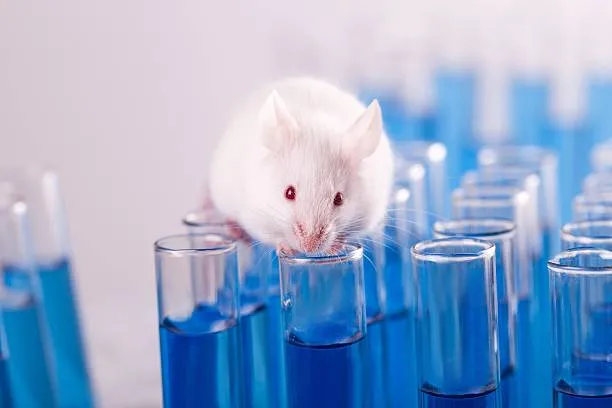
Animal research plays a fundamental role in understanding the biological mechanisms involved in diseases and in the development of their treatments. Without its use, we would face a reality where the majority of medicines, antibiotics, vaccines, and surgical techniques that we currently have in the fields of human and veterinary health would not be available.
According to the "Report on the use of animals in experimentation and other scientific purposes, including teaching during 2022" from the Ministry of Agriculture, Fisheries and Food, in the aforementioned year, 1.1 million animals were used for research purposes in Spain. Of these, 50% are mammals with rodents being the most commonly used, 37% are fish, and 13% are birds (chickens being the most used species). The document indicates that in 2022 there was a decrease in the number of animals used in research compared to 2021, of around 166,000 uses.
An important aspect highlighted in the aforementioned document is the information regarding severity (continuous assessment through specific daily monitoring of animals during the development of projects) to which animals have been subjected during the procedures for which they have been used. Based on this, we see that out of the total animals used in 2022, severity was classified as mild in 48.7% of cases, moderate in 42.07%, severe in 6.9%, and non-recovery in 2.3% of cases. In 2022, the trend of a decrease in the proportion of non-recovery uses has continued, and a notable decrease in uses with severity up to mild has been recorded.
Animal experimentation in Spain: Strict regulation and focus on animal welfare
Despite a large number of laboratories using animals for their research and it being a widespread practice, the reality is that it is a topic with growing social sensitivity. The Treaty on the Functioning of the European Union (TFEU) recognizes animals as "sentient beings" and establishes that the demands of animal welfare must be fully taken into account, particularly when formulating and implementing research and technological development policy.
In this sense, one of the basic principles of animal protection in research is known as the "three Rs principle": the replacement of animals with other options where their use is not necessary, the reduction of the number used (through statistical studies that establish the minimum number of individuals required to obtain satisfactory scientific results), and the refinement of actions on animals and the improvement of their living conditions.
In compliance with regulations, the use of animals in research is subject to strict requirements. For example, most animals used in research must be kept throughout their lives in controlled facilities that are subject to meticulous regulations and recommendations. In the case of Spain, these requirements have been determined both generally and according to specific groups based on the European Convention for the Protection of Vertebrate Animals Used for Experimental and Other Scientific Purposes.
The correct and adequate training of personnel responsible for handling animals used in both experimentation and scientific and/or teaching purposes is key to preserving their welfare, as established by Royal Decree 53/2013, of February 1st. The development of personnel training requirements was established in Spain through Order ECC/566/2015, of March 20th.
We also have bodies responsible for ensuring the welfare of animals used in research. These include Ethics Committees and Authorized Bodies that verify that each project meets the established requirements. The evaluation process of these bodies determines if the project is justified from a scientific or educational point of view, if its purpose justifies the use of animals, and if the project has been developed in a way that all its procedures are carried out in the most humane and respectful manner possible.
From cancer to infectious diseases: the role of animal experimentation
In 2022, 53.9% of animals used for experimentation in Spain were allocated to translational and applied research, while 28.7% were used for basic research. Delving into the data from the report prepared by the Ministry of Agriculture, Fisheries and Food, we see that the highest number of uses in basic research, despite decreasing by 10% compared to 2021, is for research on the nervous system, followed by uses for oncology and the immune system. The most notable percentage increase (+56%) occurs in research affecting multiple systems.
Translational research studies encompass studies on various human diseases; nutrition, animal welfare, and diseases; disease diagnosis; plant diseases; and non-regulatory toxicology and ecotoxicology.
Cancer research continues to increase and represents 36% of the uses, almost all (99%) conducted in mice, with procedures of moderate (67%) and mild (24%) severity mainly. Research on human nervous and mental diseases has increased by 30% compared to 2020, accounting for 17% of the uses. The species most commonly used are mice (81%) and rats (14%), with procedures of moderate (67%) and mild (20%) severity mainly.
The number of uses for research on human infectious diseases has more than doubled in the last three years and accounts for almost 15% of the uses, almost all (96%) conducted in mice, with procedures of moderate and severe severity (36% for both categories) mainly.
It is worth noting that applied research on other human diseases accounted for nearly 3% of the total uses of animals in human diseases, with almost all uses dedicated to studying diseases linked to mitochondrial dysfunction, using genetically altered mice without a pathological phenotype.
The welfare of experimental animals, a fundamental issue for AseBio
AseBio is committed to the agreement on transparency in animal experimentation, promoted by the Confederation of Spanish Scientific Societies (COSCE), with the collaboration of the European Animal Research Association (EARA) and launched on September 20, 2016.
AseBio contributes to promoting human health and welfare and the respectful use of animals in research and development. The welfare of experimental animals is a fundamental issue for AseBio, as is strict compliance with current legislation on the protection of animals used in experimentation and other scientific purposes, including teaching. Our goal is to promote the highest standards of animal welfare, not only from a moral responsibility standpoint but also because quality science cannot be achieved without animal welfare.
We are aligned with the principle that animal experimentation must comply with legal standards and be reviewed by an animal experimentation ethics committee, which promotes the use of alternative methods, reduction in the number of animals used, and refinement of experimental procedures. AseBio agrees that no research project requiring the use of animals can begin without the necessary ethical evaluation and final authorization from the respective competent authority.
Furthermore, we ensure that personnel involved in disseminating these principles have the necessary training and knowledge and commit to providing the necessary resources to promote and disseminate these principles among our members.