


Spanish Society for Haematology and Haemotherapy, SpotLab, and GSK are launching MedulAI, an initiative that will bring artificial intelligence to haematological diagnosis in 14 hospitals across Spain
This pioneering project in Spain aims to support the diagnosis of haematological diseases through AI applied to bone marrow analysis. The initiative reduces analysis times by up to 80% and minimizes diagnostic variability.
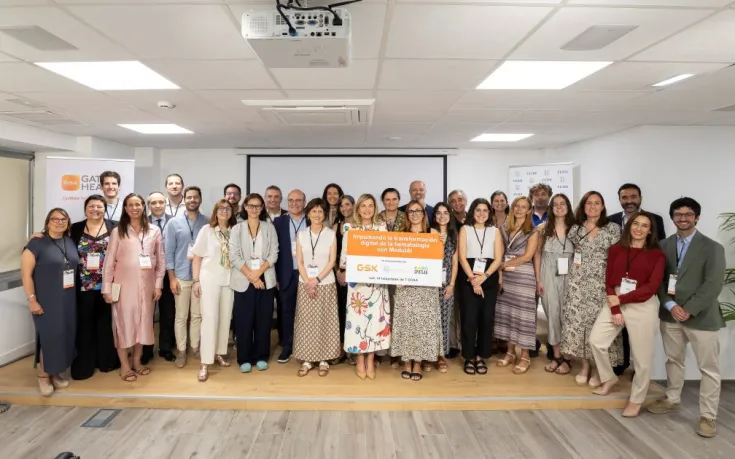
The initiative reflects the collaboration among hematologists, healthcare managers, and innovation leaders at participating hospitals regarding the inclusion of digital and artificial intelligence tools into clinical hematology practice. The launch event also served as an opportunity to reflect on the healthcare challenges facing Haematology and the hospital of the future.
The Spanish Society of Haematology and Haemotherapy (SEHH), together with SpotLab and the biopharmaceutical company GSK, presented the MedulAI project at an institutional signing ceremony attended by hematologists, healthcare executives, and innovation leaders from the 14 participating hospitals across Spain.
MedulAI is a pioneering initiative in Spain that aims to improve haematological diagnosis through the application of Artificial Intelligence (AI) to bone marrow cytological analysis, thereby reducing analysis times, enhancing the statistical robustness of the analysis, and lowering the risk of diagnostic errors.
Beyond the project presentation, the event served to launch MedulAI and provide a forum for discussion on the main healthcare challenges facing Haematology in the future and the role that digitization and AI will play in shaping the hospital of the future. The meeting highlighted the need to foster a collaborative ecosystem capable of accelerating technological and clinical innovation and improving care for haematology patients. In this context, MedulAI is one of the initiatives promoted through Gate2Health, GSK’s open innovation program aimed at supporting digital transformation projects in the healthcare sector. The participation of 14 centers from seven autonomous communities, along with the support of the SEHH, underscores the national scope of MedulAI and the haematology community’s growing interest in incorporating digital and AI tools into clinical practice.
The 14 hospitals taking part in the rollout and implementation of the project are: Ramón y Cajal University Hospital, La Paz University Hospital, Jiménez Díaz Foundation University Hospital, Infanta Leonor University Hospital, and Hematoclin Médico (Madrid); Virgen del Rocío University Hospital and Reina Sofía University Hospital (Andalusia); Nuestra Señora de Sonsoles Hospital in Ávila (Castilla y León); Nuestra Señora de Candelaria University Hospital (Canary Islands); the Elche General University Hospital (Valencia); the Catalan Institute of Oncology (ICO) in Badalona, the Parc Taulí University Hospital, and the Hospital del Mar (Catalonia); and the Son Llàtzer University Hospital (Balearic Islands).