


Biotechnology emerges as the great ally in the face of the climate crisis
- Biotechnology has consolidated itself as a strategic tool to combat climate change, driving innovation in sectors such as agriculture, energy, and industry.
- Innovative solutions like bioenergy production, chemical recycling of plastics, and the use of microalgae are transforming key sectors.
- Thanks to biotechnology research and development, it is possible to move toward a greener and more resilient economic model.
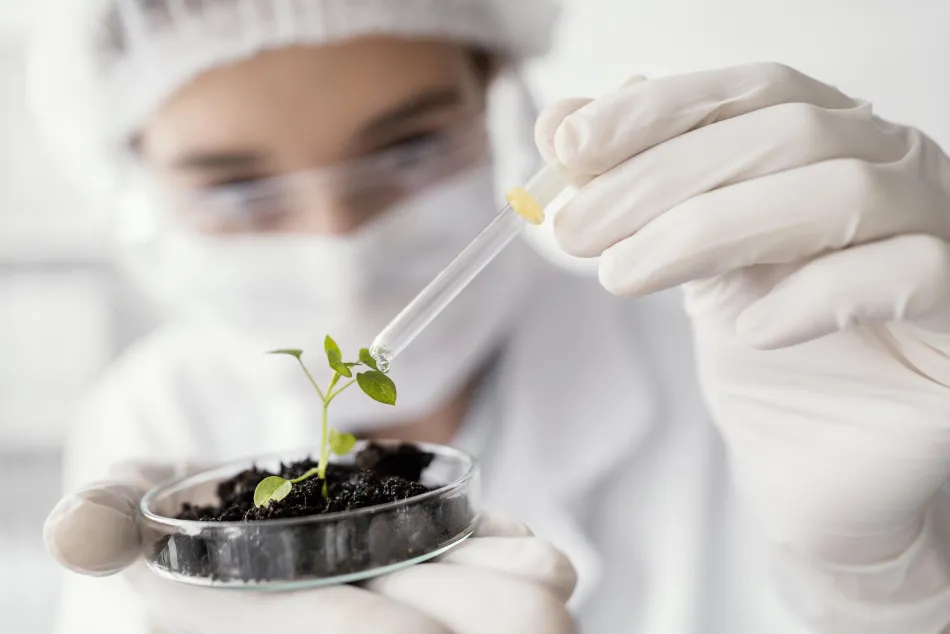
In the context of World Climate Day, the urgency to find innovative solutions to mitigate the effects of climate change is more pressing than ever. Climate change is already one of the leading threats to global health, and the World Health Organization (WHO) forecasts 250,000 additional deaths every year in the coming decades as a result of climate change.
Biotechnology has become an essential tool in this battle, offering sustainable alternatives to reduce emissions, enhance carbon dioxide capture, and develop more efficient processes in sectors like agriculture, energy, and industry. Thanks to research and development in this field, it is now possible to advance toward a greener and more resilient economic model through innovations developed by some AseBio partners.
Biotechnology plays a crucial role in the production of bioenergy and biofuels, utilizing biological waste materials such as agricultural byproducts, urban waste, and wastewater. Through processes like anaerobic digestion, biogas is generated, a renewable energy source that can replace natural gas, contributing to emission reduction. Additionally, advanced technologies such as bioaugmentation, directed evolution, and bioelectrochemical processes optimize the efficiency and value of the products obtained, as explained by Begoña Ruiz, Director of Technologies at AINIA, a technological center with over 30 years of experience driving business competitiveness through innovation and a member of AseBio. One example is the UPBIOMET+ project, which has successfully increased methane productivity with promising results. These advances not only reduce emissions from waste and fertilizer production but also replace fossil energy sources, offering a key solution in the fight against climate change.
On the other hand, chemical recycling emerges as an alternative to address the plastic crisis, offering a second life to materials that would otherwise end up polluting the environment. Projects like REVALORIZA, developed by AINIA, have shown the potential to convert post-consumer biodegradable plastics into new bio-based polymers and value-added products for the packaging industry. These solutions reinforce the circular economy model by decreasing reliance on virgin plastics and reducing emissions associated with their production.
Biotechnology and Valorization of Food Industry By-products
At NATAC, a leading group in the production of sustainable plant extracts, biotechnology plays a key role in valorizing food industry by-products, transforming them into high-value functional ingredients. Using innovative extraction and purification technologies, they recover bioactive compounds like polyphenols and flavonoids, which have applications in sectors such as nutraceuticals, pharmaceuticals, and animal feed, as explained by Esther de la Fuente, CSO of NATAC. All this is carried out under a biorefinery and circular economy model, ensuring maximum resource utilization and reducing environmental impact. In the face of climate challenges, NATAC drives initiatives such as the valorization of agro-industrial biomass, efficient use of solvents and energy, and the development of natural products that replace synthetic compounds. They also participate in sustainable innovation projects like SUSTAINEXT, focused on optimizing industrial processes with a lower environmental footprint.
Microalgae as the Foundation of a More Sustainable Agricultural Sector
In less than 200 years, human activity has raised the carbon dioxide (CO₂) content in the atmosphere by 50%, making it one of the main contributors to global warming. Microalgae are key to mitigating climate change due to their ability to capture CO₂ from the atmosphere through photosynthesis. According to Biorizon Biotech, a biotechnological company and AseBio partner specializing in developing biotechnology solutions based on microalgae for agriculture, the production of microalgae acts as a significant CO₂ sink, as for every ton of microalgae produced, up to two tons of CO₂ can be fixed.
"The agricultural sector is undergoing a full transition toward more sustainable practices, and the use of bio-stimulants and biopesticides based on microalgae is a clear example of how biotechnology can be a key ally in this process. The development of effective biological products helps reduce the use of synthetic chemicals, improve crop quality, and at the same time contribute to soil regeneration," argues Joaquín Pozo Dengra, R&D Director at Biorizon Biotech.
The company has been a global pioneer in this field, developing innovative bio-stimulants and biopesticides derived from microalgae, with proven effectiveness in various crops. Thanks to the integration of these advances in agricultural production, the sector is moving toward more sustainable systems, reducing environmental footprints and improving farmer profitability without compromising the efficiency of conventional treatments.
Toward a More Sustainable Agricultural Model: Precision Agriculture and NGTs
Global food systems are under increasing pressure due to climate change and a rising population, which is expected to reach 10 billion by 2050. Water scarcity and the need for sustainable production make technologies such as genetic editing and precision agriculture essential for ensuring food security.
On March 14, representatives of the member states endorsed the Council's negotiating mandate on the Regulation related to plants obtained with new genomic techniques (NGTs) and derived food and feed. The proposal aims to drive innovation and sustainability in the agri-food sector, contributing to food security and reducing external dependencies. AseBio positively views this step, hoping it will facilitate the approval of NGT-derived products. The industry sees this as a positive step, although concerns remain about amendments without scientific basis that could limit the potential of these technologies. Jordi Arnalte, Public Affairs, Science & Sustainability Iberian at Bayer Crop Science, emphasizes the importance of a regulatory framework adapted to scientific progress to ensure its development and application.
Additionally, agricultural digitalization is already transforming the sector through tools that optimize the use of pesticides, fertilizers, and crop planning, enabling more to be produced with fewer resources. Arnalte highlights that plant biotechnology is key to helping agriculture face climate change through more resilient and efficient crops. Technologies like herbicide tolerance, pest resistance, and improved crop quality not only increase productivity but also promote regenerative agricultural practices, such as reducing pesticide use and zero-tillage farming. Thus, biotechnology is positioned as an essential tool to move toward a more sustainable and efficient agricultural future.
Ángel Luis Jiménez
Communication Directot
662 172 126
ajimenez@asebio.com
AseBio brings together 300 entities and represents the entire Spanish biotechnology sector. Its mission is to lead the transformation of the country by positioning science, innovation, and especially biotechnology as drivers of economic growth and social well-being. Among its members are companies, associations, foundations, universities, technology centers, and research institutions that directly or indirectly engage in biotechnology-related activities in Spain.