


AseBio presents first study on female participation in biotechnology industry
The event was attended by Teresa Riesgo, Secretary General for Innovation, and Ana Polanco, President of the association. The analysis highlights that 60% of the people working in companies in the sector are women and that 98% of them have higher education.
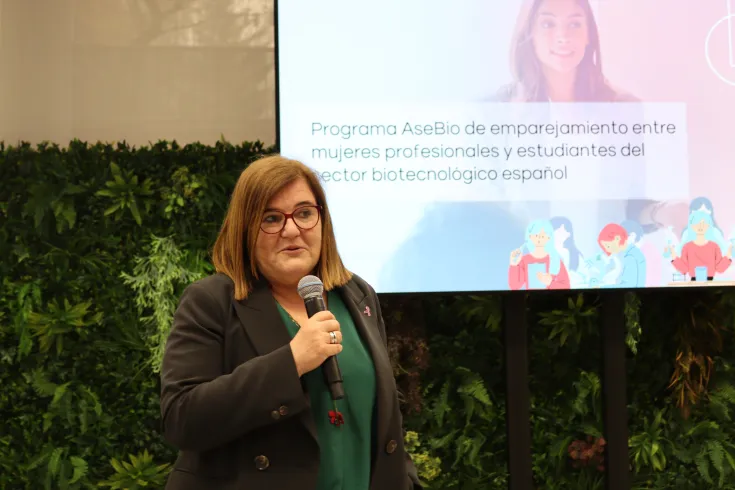
The Spanish Bioindustry Association (AseBio) presented this Thursday its first study on female participation in Spanish biotechnology companies. The association’s main goal was to understand how this industry is tackling the global challenge laid out in the Sustainable Development Goals: gender equality. With this document, the association hoped to reflect the work still to be done to put more women in leadership positions, closing the gaps and ending inequalities still present.
“This type of documents and events are inspiring. Biotechnology is a sector that has loads of advantages and one of the most R&D intensive, but it also faces difficulties in getting its solutions to market. It’s very important for us in this country to be aware that it is a highly relevant sector in terms of both science and business,” declared Secretary General for the Ministry of Science and Innovation Teresa Riesgo during the presentation.
For AseBio Chairwoman Ana Polanco, “This study clearly shows that, if it weren’t for the work of women, entrepreneurs, executives and researchers, we wouldn’t have achieved the impact generated in recent years or beat records six years in a row, making us a key industry that is constantly growing.”
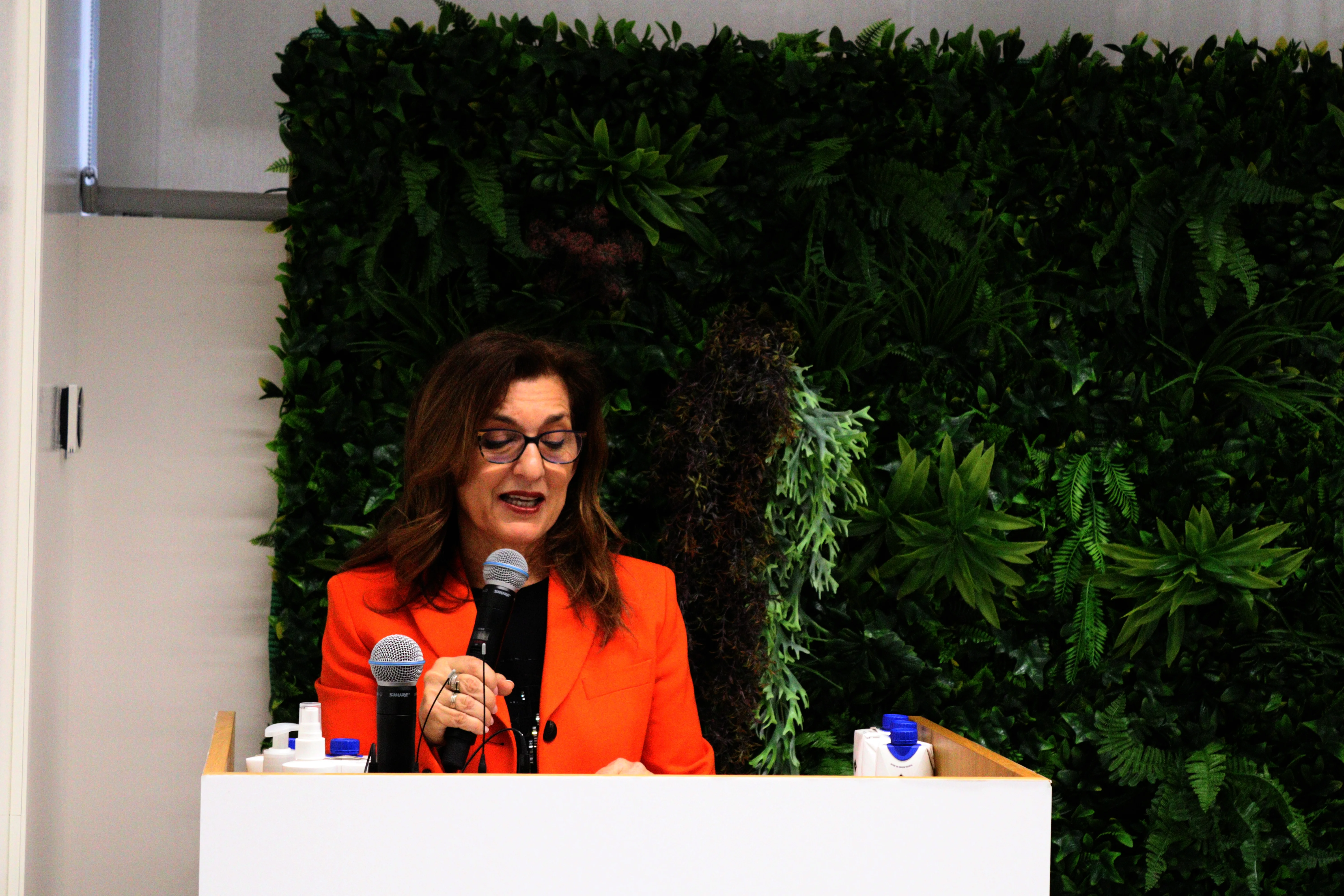
60% of biotech staff are women
One of the figures that supports Polanco’s words is that 60% of all people who work at companies in the sector are women. Plus, according to this report published by AseBio for International Women’s Day, 8 March, 98% of them have university studies and 12% have earned a PhD (more common at smaller companies, where it is 46%).
The study presented by Raquel Álvarez, head of Intelligence and Statistics at AseBio, also sheds light on female leadership in the biotechnology industry. The results show that, at 37% of the companies, more than 50% of decision-making positions are held by women (above all at agrifood and biopharmaceutical companies), and only 5% don’t have any women at this level.
Diversity, a priority for most
When asked whether gender diversity is a strategic priority for the company, nearly 40% of those surveyed said it is a particularly important topic and another 36% considered it important but not a priority. Which means that 76% of the companies believe gender diversity is a significant issue for their organisation.
The need to reach a balanced number of women in companies is another issue that more than 60% of businesses have put on the table to ensure the company runs properly and to attract top talent. One of the solutions used in the job market to achieve this goal is quotas. In the biotechnology industry, 53% believe they could be useful if voluntary and adopted freely by companies.
Faced with this need and vision, AseBio took advantage this Thursday to announce the women and students selected for its first “Day with a #BiotechWoman” pairing programme, which has them spend a whole work day together. With this initiative, the association aims to encourage more young women to go into science and innovation, showing them all the opportunities the biotechnology sector has to offer beyond academia.
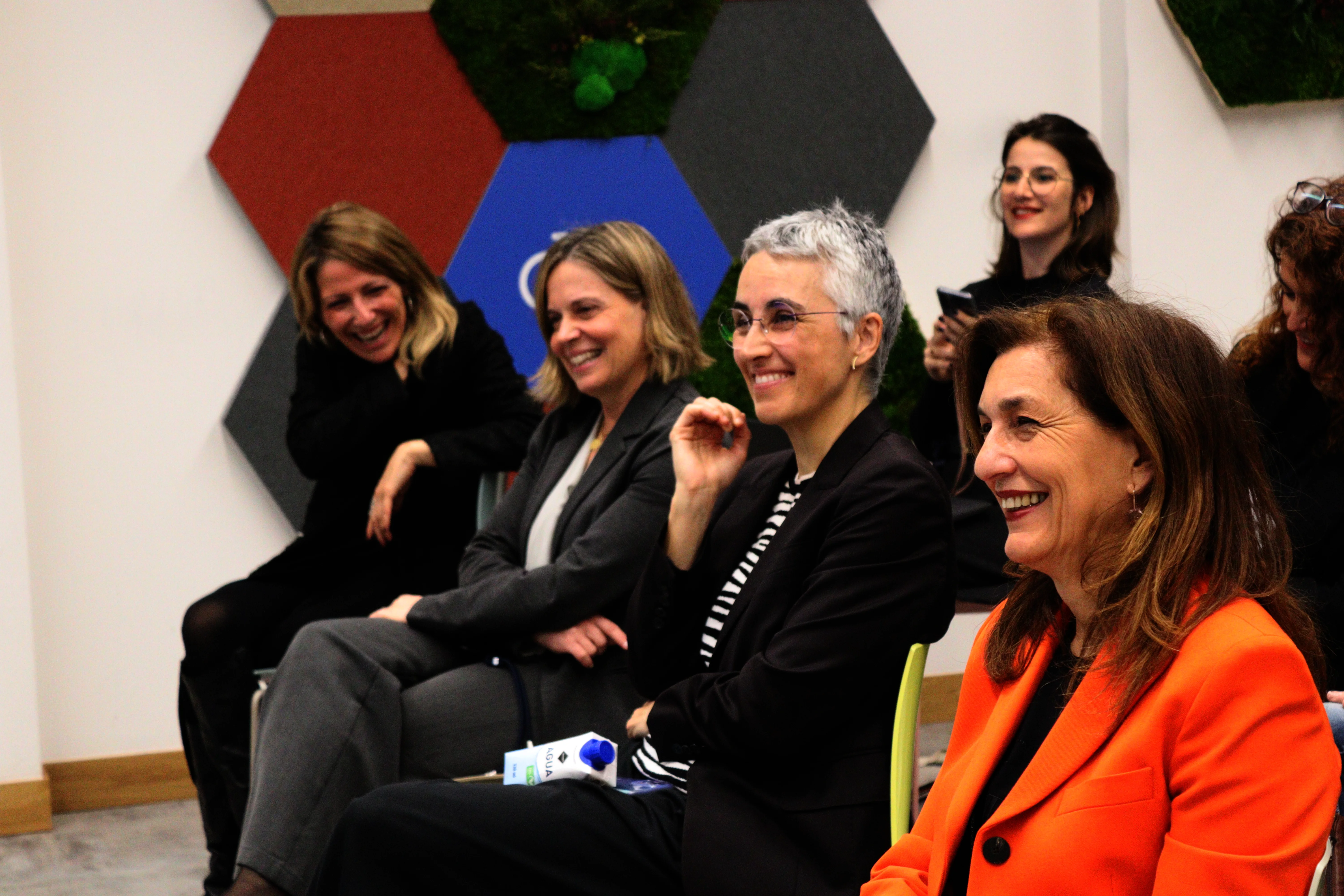
Private equity funds, an example of gender balance
Private equity funds that invest in this sector stand out for the number of women on their teams compared to other industries. According to the document, 48% of the staff at private equity funds are women. Plus, this type of organisation is also an example in terms of leadership: three in four say there are more than 50% women in positions of responsibility.
“We have no doubt that this report is an essential step for biotechnology to remain an example of societal development that is committed to diversity and can be leveraged to build a sustainable, resilient new economic model,” concluded Polanco.
BIOSPAIN, an example of parity
Another faithful representation of the current situation in the industry is BIOSPAIN, the biannual international benchmark congress for Spanish biotechnology that AseBio has organised for over 20 years and that attracts more than 1,500 professionals from the sector. At the latest BIOSPAIN held in Pamplona (Navarra) in 2021, 48% of participants were women.
This year, in collaboration with Biocat, the Barcelona City Council and the Government of Catalonia, the event will be held from 26 to 28 September in Barcelona. Over three days, the congress will have roughly 40 sessions on hot topics for the industry in this tumultuous 2023 in need of solutions, giving a voice to the women who work every day to keep people and the planet healthy and who make up more than half of all Spanish biotechnology talent.
